05 — People
Organizers
Co-LeadsSymposium chairs
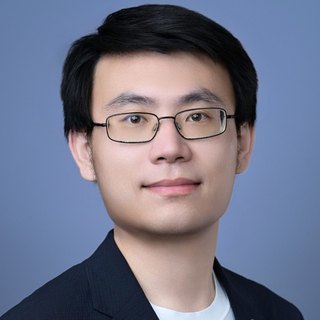
Co-Lead
Yuhao Kang
University of Texas at Austin
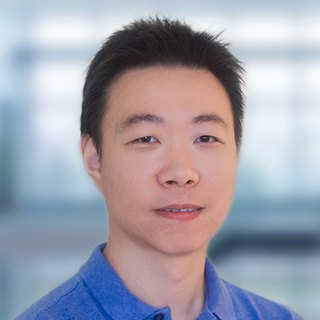
Co-Lead
Lei Zou
Texas A&M University
Organizing CommitteeSession & program
Jiaxin Feng
Dartmouth College
Armita Kar
George Mason University
Hoeyun Kwon
Lehman College, CUNY
Yue Lin
University of Illinois Urbana-Champaign
Hongyu Zhang
University of Massachusetts Amherst
Bing Zhou
University of Tennessee, Knoxville
Student CommitteeStudent organizers
Yifan Yang
Texas A&M University
Advisory CommitteeSenior advisors
Song Gao
University of Wisconsin–Madison
Yingjie Hu
University at Buffalo
Caglar Koylu
University of Iowa
Meipo Kwan
The Chinese University of Hong Kong
Nina Lam
CUHK & Louisiana State University
Grant McKenzie
McGill University
Harvey Miller
The Ohio State University
Shih-Lung Shaw
University of Tennessee, Knoxville
Shaowen Wang
University of Illinois Urbana-Champaign
Ningchuan Xiao
The Ohio State University
Xinyue Ye
University of Alabama
Bo Zhao
University of Washington